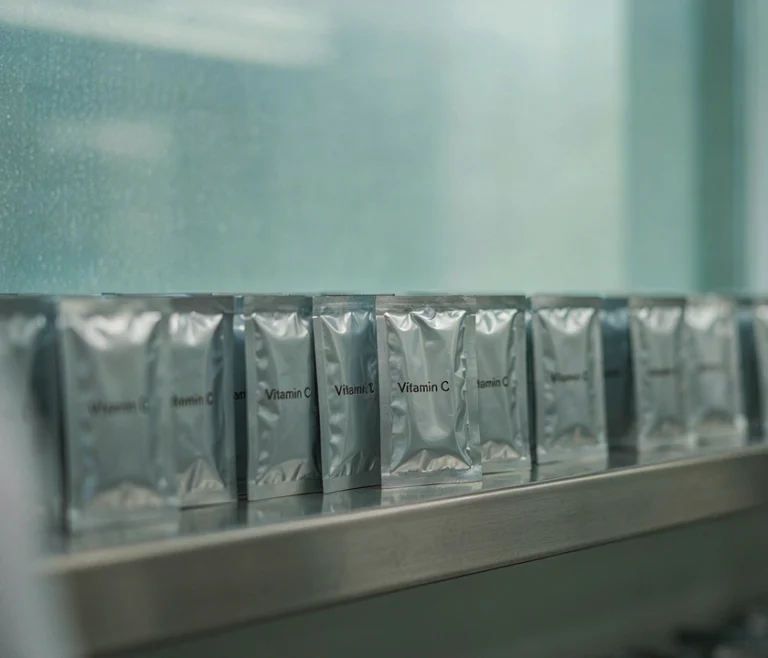
The Beginner’s Guide to Vitamin C Serums, By Skin Type
I used to think all vitamin C serums were basically the same until I actually looked into it.
Summary
I recently watched a class on the MasterClass platform all about vitamin C, and it completely changed how I think about this ingredient (the little warriror!).
Our bodies can’t produce vitamin C on its own, so either eating it or applying it topically in the morning is where you get the most benefit. Beyond fighting off free radicals from the sun and pollution, Vitamin C also stimulates collagen production, fades hyperpigmentation, and makes your sunscreen more effective.
Here’s what I learned about finding the right form and concentration for different skin types.
Table of Contents
The Benefits of Adding Vitamin C to Your Routine
It works as a serious antioxidant — think of it as your skin’s defense against free radicals caused by environmental stressors like pollution and UV exposure. Left unchecked, those free radicals break down collagen and speed up visible aging, so vitamin C helps shield your skin from that kind of damage.
It helps stimulate collagen production.
It fights hyperpigmentation and brightens skin by keeping melanin from overproducing.
Pure Vitamin C vs. Derivatives: Which One Is Right for You
Pure form: A concentration between 10% and 20% is considered effective, though that can be too strong for sensitive skin. Look for L-ascorbic acid or ascorbic acid on the ingredients label if you want the pure form.
Derivatives: These pair vitamin C with other ingredients and tend to be gentler, making them a better fit for sensitive skin. Look for ingredients with ascorbate or ascorbyl in the name.
Picking a Vitamin C Formula Based on Your Skin Type
Sensitive skin does best with a derivative — look for magnesium ascorbyl phosphate, ascorbate, THD ascorbate at under 10% and fragrance-free, or sodium ascorbyl phosphate.
Oily skin can handle pure vitamin C — look for 10% to 15% L-ascorbic acid in a lightweight serum or gel.
Dry skin works well with either pure vitamin C or a derivative — look for 10% to 20% L-ascorbic acid or tetrahexyldecyl ascorbate, in a cream or oil-based formula.
Combination skin can use pure vitamin C or a derivative — look for 10% to 20% L-ascorbic acid or ascorbyl glucoside, in a lotion or serum.
Anything outside these categories can default to pure vitamin C (L-ascorbic acid or ascorbic acid) at 10% to 20%.
Whatever you choose, buy it in an opaque, airtight container.